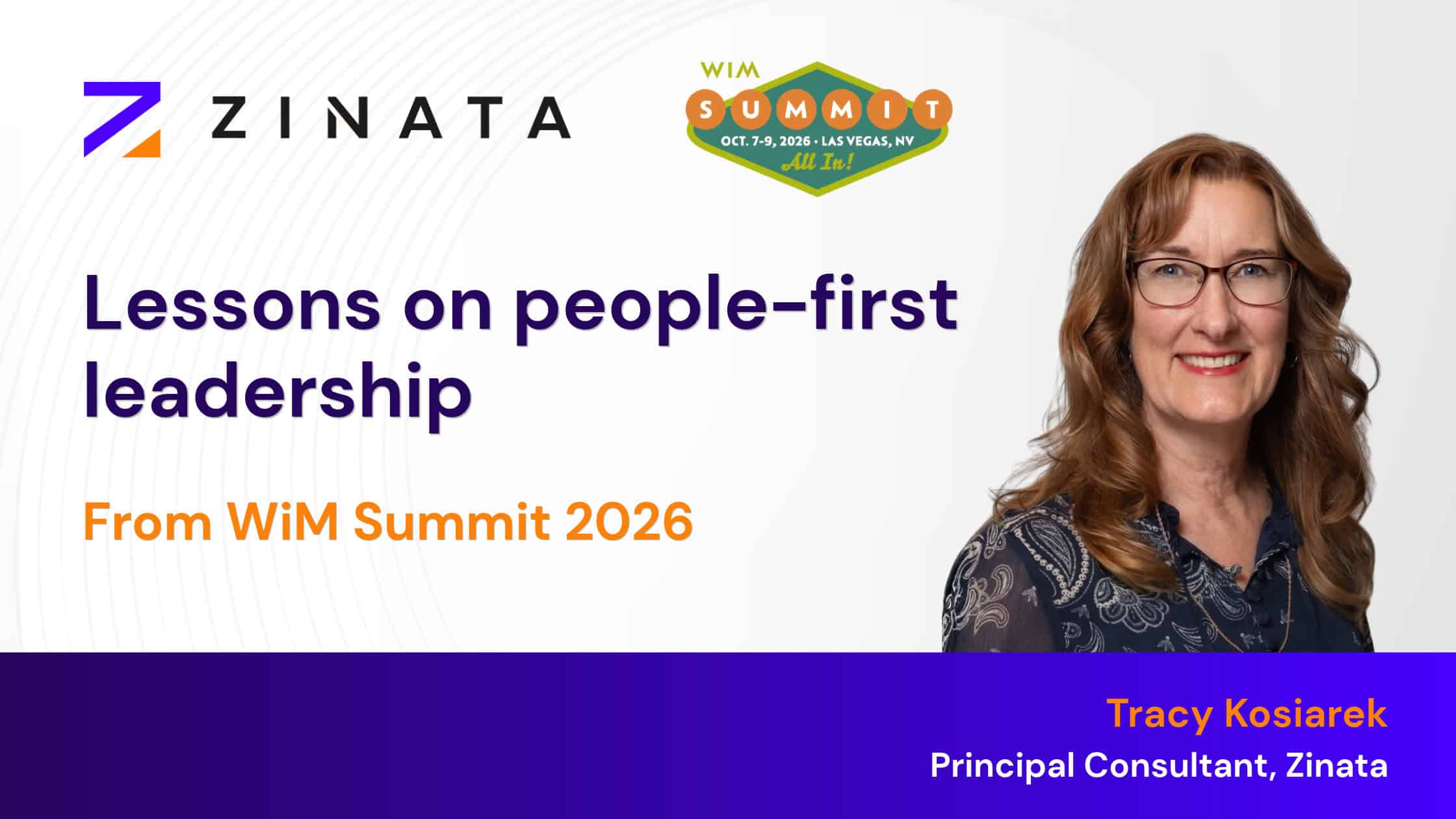
Last year, I stood on the stage at the Women in Manufacturing Summit and talked about the power of listening. This year, I went back to do just that – listen and connect.
More than 2,000 people came to Las Vegas for SUMMIT 2026, under the theme ALL IN. Over three days I met operational leaders, AI strategists, data experts, environmental health and safety specialists, change professionals, CEOs, COOs, engineers in energy and equipment manufacturing, and, to my delight, a sea glider engineer.
I came home convinced of one thing. The future of manufacturing is in very good hands.
The leadership question beyond AI
AI was everywhere, as you’d expect. But once conversations moved out of the sessions and into the hallways, a different question kept coming up:
How do we unlock the talent of the people on our factory floors?
I’ve spent more than 30 years in manufacturing and supply chain, starting in the Navy, then two decades at P&G, and now leading transformations with Zinata. After walking a lot of plant floors, I think it’s exactly the right question. In my experience, it’s what separates the companies that get value from new technology from the ones that buy it and realize that no one is adopting the new tools and ways of working.
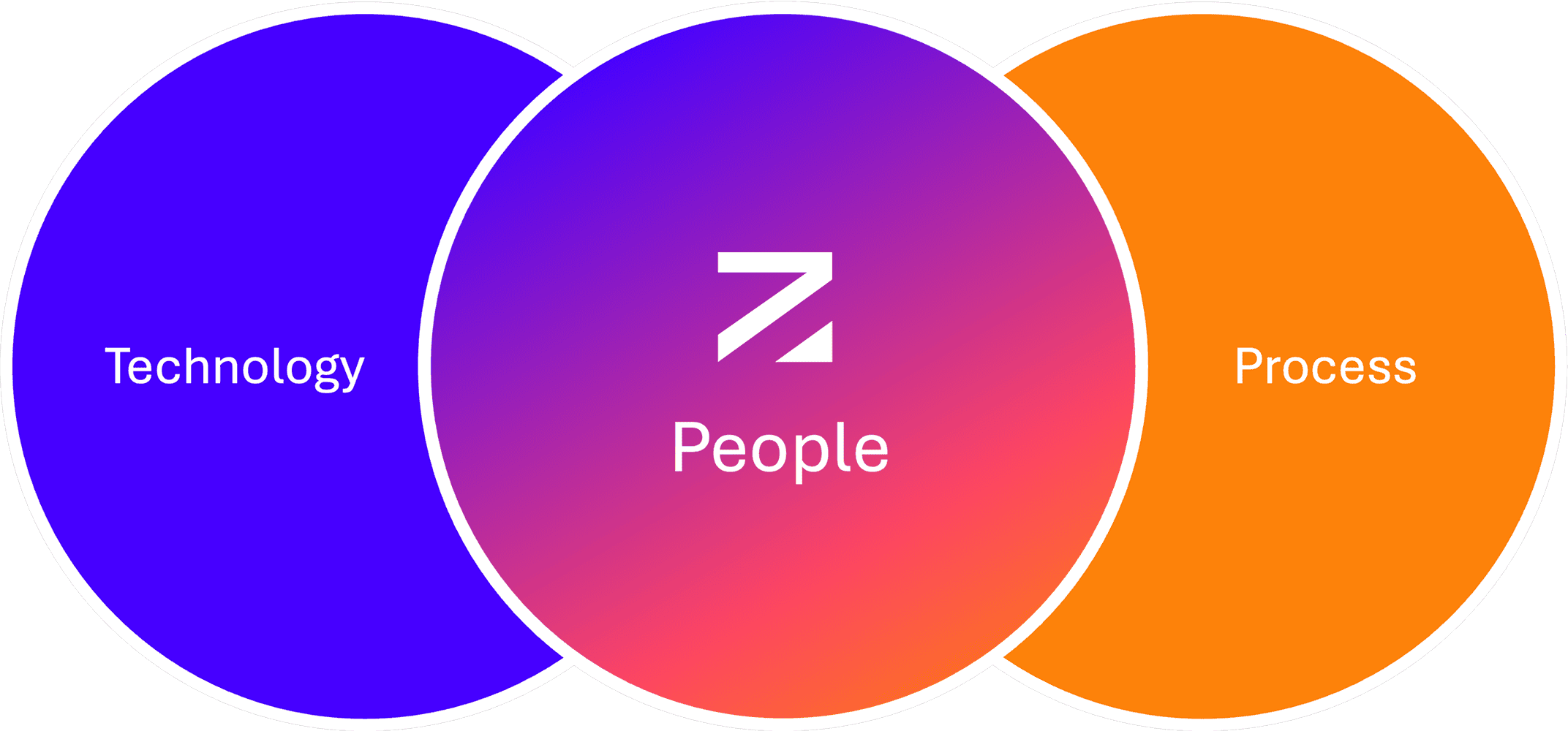
Technology will transform manufacturing, and it’s our people who will make that transformation successful. The people closest to the work, our frontline teams, usually know where the problems are long before any system flags them. An operator can often hear when a line isn’t running right. A shift lead can usually tell you a schedule won’t hold before the first changeover runs over.
Unlocking this knowledge takes leaders who ask and then listen. The women I met in Las Vegas brought passion, empathy and emotional intelligence to how they lead, and those are the strengths that make people want to speak up.
Five lessons worth keeping
Two fireside chats stayed with me: Ann Fairchild and Sonita Lontoh, each in conversation with WIM founder Allison Roberts Grealis. Between them, they gave me a list of lessons I’ve been coming back to all week.
1. Become AI literate. You don’t need to be a data scientist. You need to understand enough to ask good questions and help your teams see where AI fits in their day.
2. Collaborate on the hard problems. In my experience, the hardest problems in a plant sit between departments, not inside them. That’s where the best answers come from too.
3. Lead with confidence. That doesn’t mean having every answer. Some of the most confident leaders I know are the first to say what they’re still learning.
4. Find where your passion, abilities, and purpose meet. That’s where your best work happens, and where you’ll find the energy for the long haul of change.
5. Stay true to yourself and lead with integrity. Above all else. In every transformation I’ve been part of, trust made the difference between people just going along with the change vs. People owning the change.
These came out of a room full of women, but they aren’t women’s lessons. They’re leadership lessons.
Sixteen years in the making
My thanks to the Women in Manufacturing Board, Board Chair Jane Thomas, and the organizing committee for an outstanding Summit.
And to Allison Roberts Grealis, who founded WIM 16 years ago. You’ve built a community where women connect, learn, challenge one another, and lead with confidence. The “challenge one another” part matters. It’s what makes this more than a networking event.
What I’m bringing home
For me, going all in means bringing that factory floor question into every engagement. Before we talk about the system, we talk to the frontline teams who will run it. We ask what they already know. Then we listen.
Technology will keep moving.
Innovation will keep coming.
People are still the ones who make it work.
About the author
Tracy Kosiarek is a senior leader at Zinata with over 30 years of experience in global supply chain and manufacturing transformation. She specializes in aligning strategy with operational execution and empowering teams to lead sustainable change. Prior to Zinata, Tracy spent two decades at Procter & Gamble, where she held leadership roles in manufacturing and supply chain management across the U.S., Vietnam, and China. Her work helped drive rapid growth, system standardization, and cross-cultural collaboration. Tracy began her career as a U.S. Navy Supply Officer, developing her expertise in logistics and procurement. Today, she brings a people-centered, results-driven approach to guiding organizations through complex operational challenges.